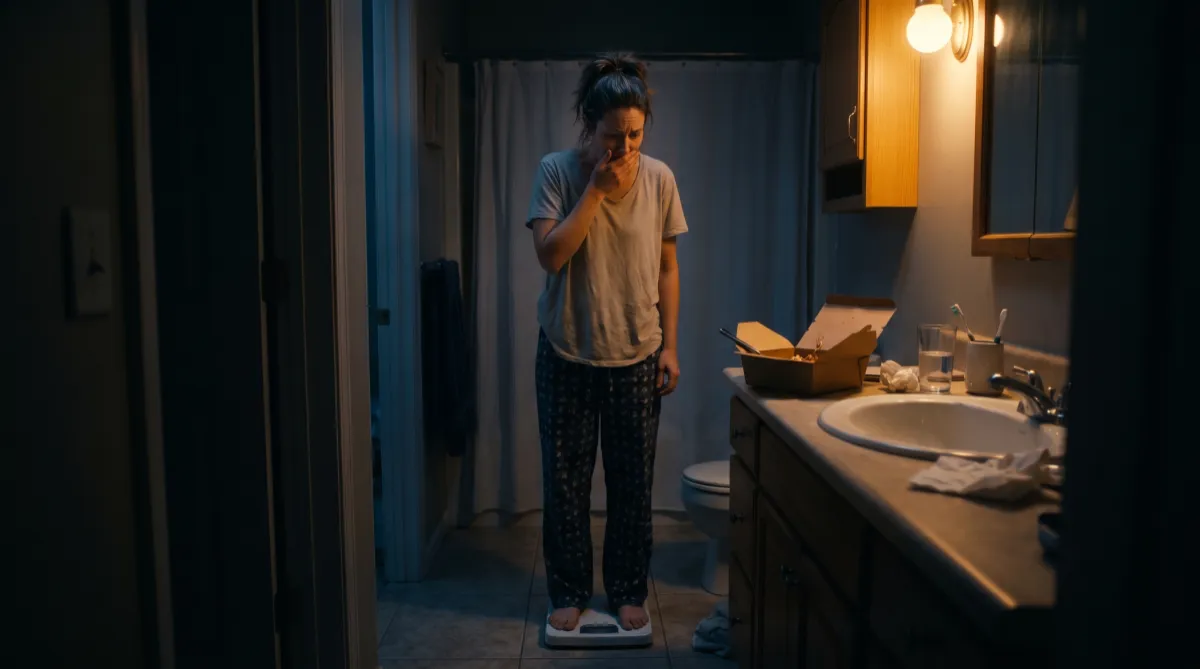
How to Lose Water Weight and Tell It Apart From Fat
Water weight is the extra fluid your body holds on to in your tissues, and it can move the scale up or down by a few pounds in a single day. Losing water weight is not the same as losing fat: water comes and goes with salt, carbohydrates, hormones, sleep and exercise, while fat loss is slow and steady and shows up over weeks. The best ways to lose water weight are to cut back on salty and heavily processed foods, drink enough water, keep your carbohydrate intake steady, move every day and sleep well. If you are trying to lose weight, the goal is to stop worrying about daily water swings and track the trend that matters, which is fat.
This guide covers what water weight is, why it shows up, how to tell water from fat, simple ways to reduce it, and when swelling is a reason to call your doctor. If you have ever stepped on the scale and felt confused by the number, our guide on why body composition matters more than the scale is a good companion read.
What is water weight?
About half or more of your body weight is water. Most of it is exactly where it should be, inside your cells, in your blood and in your muscles. Water weight usually means the extra fluid your body holds on to for a short time, mostly in the spaces between your cells.
You might notice it as:
A scale number that jumps a few pounds overnight.
Rings or a watch that feel tighter than usual.
Puffy fingers, ankles or face, especially in the morning or after a long day on your feet.
A belly that feels bloated after a big, salty meal.
A small amount of water retention is normal. Your body is always balancing the fluid you take in with the fluid you lose through urine, sweat and breathing. The scale simply picks up those shifts, which is why one weigh-in tells you very little.
Why does your body hold on to water?
Several everyday things can make your body hold more water than usual. Most of them are temporary.
Salt. Sodium pulls water with it. The FDA explains that sodium attracts water, and a high-sodium diet draws water into the bloodstream. A restaurant meal, takeout or a few packaged snacks can add a lot of sodium at once.
Carbohydrates. Your body stores carbohydrate in your muscles and liver together with water. When you eat more carbs than usual, the scale can go up. When you cut carbs sharply, you often lose water quickly, which is why low-carb diets can look dramatic in the first week.
Hormone changes. Many women notice bloating and a higher scale number in the days before their period. Fluid shifts can also show up during perimenopause. Our guide on menopause weight gain explains more about that stage of life.
A hard workout. After a tough strength session or a long run, your muscles hold extra fluid while they repair. A higher number the next morning is often a sign of recovery, not fat gain.
Poor sleep and stress. Short sleep and ongoing stress affect hunger, cravings and the choices that follow, including salty comfort food. Our guide on sleep, stress and weight shares practical tips.
Travel and long periods of sitting. Flights, long drives and desk days can leave your feet and ankles puffy.
Not drinking enough. It sounds backward, but going too long without fluids does not help you shed water. Steady hydration supports your body's normal fluid balance.
Some medicines and health conditions. Certain medicines and medical conditions can cause fluid buildup. This is one reason to talk with your doctor about swelling that is new, lasting or getting worse.
Water weight vs. fat loss: how can you tell?
This is the question that matters most if you are trying to lose weight. Here is how the two usually compare:
Water weight | Fat | |
|---|---|---|
How fast it changes | Hours to a few days | Weeks to months |
Typical daily swing | Can be a few pounds up or down | Very small day to day |
What moves it | Salt, carbs, hormones, workouts, sleep, travel | Steady eating habits, activity and time |
How it feels | Puffy, bloated, tight rings or shoes | No sudden puffiness |
What a scale shows | Sharp jumps and drops | A slow trend over several weeks |
Best way to track it | Ignore single weigh-ins | Weekly averages, waist size and body composition |
The big clue is speed. Real fat loss is gradual. If the scale drops five pounds in three days, most of that is water. If it jumps three pounds after a weekend of restaurant meals, most of that is water too.
That is also why steady weight loss is the healthier target. Our guide on healthy weight loss per week explains what a realistic pace looks like.
The deciding factor: are you chasing a number or changing your body?
The way you read the scale decides whether water weight helps you or throws you off track. If you are chasing a single number on a single morning, water will frustrate you. You might feel great after a quick drop, then give up after a bounce.
If you are changing your body, water becomes background noise. You care about three things instead:
Your weekly average weight, not your daily weight.
Your waist measurement, which changes as fat comes off.
Your body composition, meaning how much of your weight is fat and how much is lean mass such as muscle.
People who focus on the trend tend to stay calmer and more consistent, and consistency is what produces real fat loss. If your trend has been flat for several weeks, that is a different problem. Our guide on the weight loss plateau explains how to tell a real stall from normal swings.
How do you lose water weight safely?
Most water weight goes away on its own once the cause passes. These simple habits help your body find its normal balance faster.
Cut back on high-sodium foods. Restaurant meals, deli meats, canned soups, frozen dinners and salty snacks are the usual sources. MedlinePlus notes that healthy adults should limit sodium to 2,300 mg per day, which is about one teaspoon of table salt.
Cook more of your meals. Home cooking puts you in control of the salt. Herbs, garlic, citrus and vinegar add flavor without the sodium.
Drink water through the day. Steady fluids support normal fluid balance. A simple habit is a glass of water with each meal and one between meals.
Eat more potassium-rich foods. Fruits, vegetables, beans and yogurt are part of a balanced plate that supports healthy fluid balance.
Keep carbs steady. Big swings between very low carb days and very high carb days create big swings on the scale. A steady pattern gives you steadier numbers.
Move every day. Walking and regular activity help circulation, especially after long periods of sitting. On long flights or drives, stand and walk when you can.
Protect your sleep. Aim for a regular bedtime and enough hours of rest. Better sleep makes it easier to manage cravings for salty comfort food.
Skip quick fixes. Water pills, detox teas and sauna sessions can drop the scale for a day, but they do not burn fat. Some can leave you dehydrated or interact with medicines. Do not take a diuretic unless your doctor prescribes it.
When is swelling a reason to call your doctor?
Everyday water retention is usually mild and short-lived. Some swelling is a sign that something else needs attention. Contact your doctor if you notice:
Swelling that is new, lasting or getting worse.
Swelling in only one leg, especially with pain, warmth or redness.
Swelling with shortness of breath, chest pain or trouble breathing.
Fast weight gain from fluid that does not go away.
Swelling while taking a new medicine.
If you have trouble breathing or chest pain, get emergency care right away. This guide is general education and is not a substitute for medical advice from your own provider.
Why do people lose weight fast at the start of a diet?
The first week of a new eating plan often brings an exciting drop on the scale. A big part of that early drop is water, especially when the plan cuts back on carbs or salt.
That is not a bad thing. It just means you should expect the pace to slow down after the first week or two. Many people quit when the dramatic early losses turn into steady, smaller ones, even though the steady phase is where real fat loss happens.
Losing fat in a way that lasts also means protecting your muscle. Muscle holds a lot of water, so losing muscle can make the scale look good while your body composition gets worse. Our guide on fat or muscle and how to keep muscle while losing weight explains why that matters.
How can a body composition scan help you see past water weight?
The scale adds everything together: fat, muscle, bone, water and the food in your system. That is why it can be so misleading from one day to the next.
At Transformative 360, every consultation includes a Fit3D body scan. It captures your body shape and measurements, including your waist and hips, and estimates your body composition in under a minute. Repeat scans every few weeks show whether your waist is getting smaller and whether you are losing fat while keeping muscle, so a salty dinner or a hard workout does not cloud the picture. You can read more in our guide to the Fit3D body scan in Clifton.
Where medical weight loss support fits
If you have been trying for a while and the trend is not moving, water weight is probably not the real problem. Appetite, health history, medicines, sleep and years of dieting can all make fat loss harder.
A medical weight loss program pairs you with a provider who reviews your health, sets a realistic pace and checks your progress along the way. A nutrition plan can also help you find meals that keep you full without loading up on sodium. Our guide on working with a nutritionist for weight loss in Clifton explains what that support looks like.
For some patients, the provider may recommend Liraglutide injections, an FDA-approved GLP-1 medication that helps regulate appetite. It is prescribed and monitored by a provider and is not right for everyone. Medication works best alongside healthy eating, regular activity and good sleep.
Serving Clifton and the surrounding communities
Transformative 360 is located on Route 46 in Clifton, a short drive for people across Passaic, Essex and Bergen counties. We regularly see patients from Passaic, Paterson, Garfield, Nutley, Montclair, Bloomfield, Wayne, Totowa, Little Falls, Woodland Park, East Rutherford, Wallington and Rutherford. If you are tired of guessing what the scale means, our Clifton office is easy to reach, and a Fit3D body scan is part of every consultation.
Book your consultation
If your weight keeps bouncing and you are not sure whether you are losing fat, a consultation is a good place to start. You will get a Fit3D body scan, a one-on-one conversation about your goals and health history, and a plan built around steady, lasting results.
Transformative 360 is proud to be recognized with the BusinessRate #1 award for weight loss services in Clifton, NJ.
Ready to get started? Book your consultation online or call us at (201) 554-3755. Transformative 360, 1117 RT 46 E Suite 203, Clifton NJ 07013.
Frequently asked questions
How fast can you lose water weight?
Most water weight goes away within a few days once the cause passes, such as a salty meal, a hard workout or the days before a period. Cutting back on sodium, drinking water, moving and sleeping well help your body return to its normal balance.
How do I know if I am losing fat or just water?
Look at speed and trend. Fast drops of several pounds in a few days are mostly water. Fat loss is slower and shows up as a steady downward trend over several weeks, a smaller waist and a better body composition result.
Does drinking more water help you lose water weight?
Drinking enough water supports your body's normal fluid balance, and it does not cause you to hold more water. Steady hydration through the day, along with less sodium, is one of the simplest ways to feel less puffy.
Why do I weigh more in the morning after eating out?
Restaurant meals are often high in salt, and sodium pulls water into your body. The extra pounds the next morning are usually water and food in your system, not fat. They usually fade within a day or two.
Are water pills a good way to lose weight?
No. Water pills, also called diuretics, make you lose fluid, not fat, and the weight returns once you stop. Some can cause dehydration or interact with medicines. Only take a diuretic if your doctor prescribes it for a medical reason.
Why do I gain weight after starting a new workout?
Muscles hold extra fluid while they recover from a new or harder workout. A small bump on the scale in the first week or two is common and usually fades. Your waist measurement and body composition are better signs of progress.
When should I worry about swelling?
Call your doctor if swelling is new, lasting, getting worse or only in one leg, or if it comes with pain, redness or shortness of breath. Get emergency care right away for chest pain or trouble breathing.
