Body Contouring After Weight Loss: Is It the Right Time?
Body contouring after weight loss makes sense when you are at or close to your goal weight, your weight has been stable for a few months, and you still have specific areas of stubborn fat or mild skin laxity that diet and exercise are not changing. Non-surgical treatments work best for small pockets of fat, inch loss in targeted areas, and mild skin tightening. They are not a substitute for weight loss, and they are not designed to remove large amounts of loose skin.
That is the short answer. Below, we explain how to tell whether you are ready, how to figure out whether what is left is fat, skin, or both, and which treatment fits each situation.
The deciding factor: is what is left fat, skin, or both?
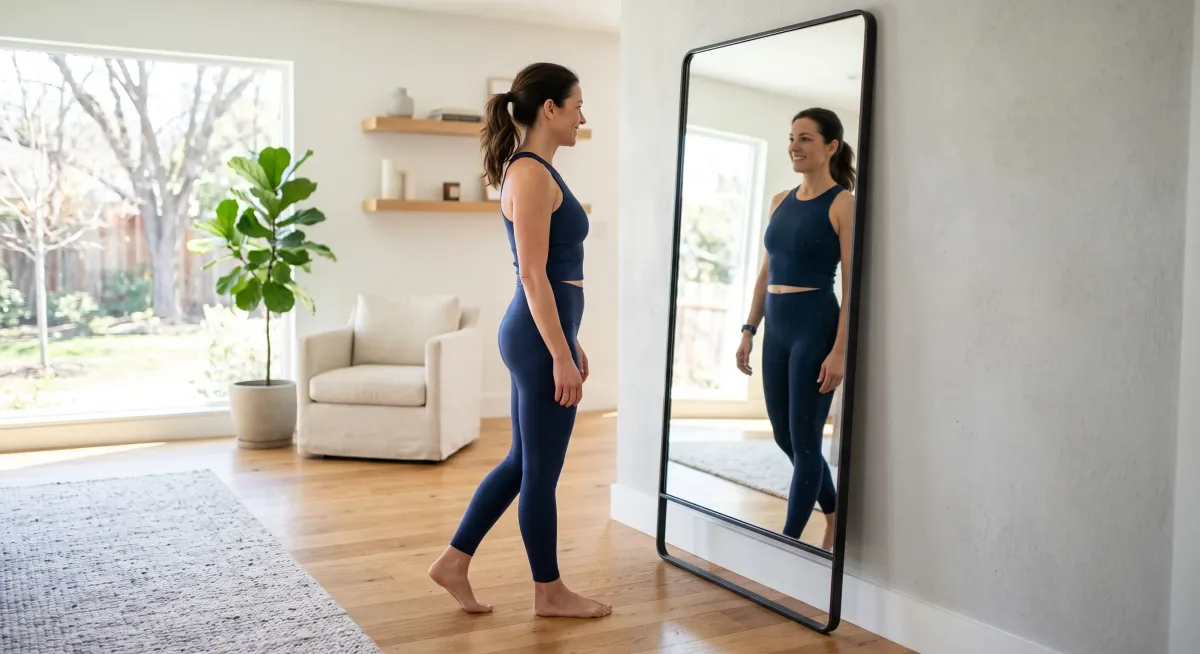
After losing weight, most people notice one of three things in the mirror:
Stubborn fat that sits in the same spots no matter what you do, often the belly, love handles, thighs, or under the chin.
Skin that feels looser or less firm than before, especially on the stomach, arms, or face.
A mix of both, which is very common.
This matters because fat and skin need completely different treatments. A treatment that reduces fat will not tighten skin in the same way, and a skin tightening treatment will not remove a pocket of fat. Getting this part right is what separates great results from wasted time and money.
So before you think about which treatment to choose, the first question is always: what exactly are you trying to change?
Why does stubborn fat stay after weight loss?
When you lose weight, your fat cells shrink. They do not disappear. Where your body stores fat, and the order in which it lets go of it, is largely decided by genetics and hormones. That is why some areas slim down quickly while others barely change, even when you are eating well and staying active.
For many people, the lower belly, love handles, inner and outer thighs, and the area under the chin are the last places to change. Those are exactly the areas body contouring is designed for.
Why does skin feel loose after weight loss?
Your skin stretches as your body grows and needs time to adjust when it gets smaller. How well it bounces back depends on several things:
How much weight you lost. Larger losses usually mean more loose skin.
How fast you lost it. Faster weight loss gives your skin less time to adjust.
Your age. Skin naturally produces less collagen over time, so it tightens back more slowly.
Genetics and sun exposure, which both affect skin quality.
Mild looseness can often improve with time and non-surgical skin tightening. Significant excess skin after major weight loss is different, and it usually needs a surgical consultation. We will be clear with you about which category you are in.
When does body contouring after weight loss make sense?
Body contouring is usually a good fit when most of these are true for you:
You are at or near your goal weight. Contouring is about shaping, not losing pounds.
Your weight has been stable for a few months. If you are still losing, the areas you want to treat may keep changing on their own.
You have specific areas you want to change, like a pocket of belly fat or soft skin on your stomach.
Diet and exercise have stopped changing those areas, even though the rest of your body has.
You have realistic expectations, meaning noticeable refinement rather than a dramatic transformation.
If that sounds like you, body contouring can be the finishing step that helps your body match the work you have already put in.
When should you wait?
It is just as useful to know when the timing is not right yet:
You are still actively losing weight. Waiting until you are stable helps you treat the right areas and get the most out of each session.
Your main goal is losing more weight. Body contouring is not a weight loss treatment. A medical weight loss plan, such as Liraglutide injections, fits that goal better.
You have a large amount of loose, hanging skin. Non-surgical treatments are not designed for this, and a plastic surgery consultation is usually the right next step.
You are not sure what is fat and what is skin. That is exactly what a consultation is for.
If you are still working on your weight and the scale has stalled, our guide on why you may not be losing weight even though you are eating healthy is a good place to start.
Which body contouring option fits what you see?
What you notice | Likely cause | Best-fit option at Transformative 360 |
|---|---|---|
A stubborn pocket of fat on the belly, love handles, back, thighs, or chin | Fat cells that resist diet and exercise | SculpSure laser fat reduction |
Want to lose inches from the waist, hips, or thighs | Stored fat in targeted areas | |
Mild skin looseness or crepey texture | Reduced collagen and skin elasticity | TempSure Envi radiofrequency skin tightening |
Both fat and mild loose skin in the same area | A mix of both | A combination plan, often fat reduction first, then skin tightening |
Large amounts of hanging skin | Significant skin stretching | Surgical consultation (not a non-surgical treatment) |
Still want to lose overall weight | Not at goal weight yet | Liraglutide injections and medical weight loss first |
SculpSure for stubborn fat
SculpSure is an FDA-cleared laser treatment that heats and permanently destroys fat cells in a targeted area. Your body then clears those cells naturally over the following weeks. Sessions take about 25 minutes, there is no downtime, and most people start to see results around 6 weeks, with full results near 12 weeks. It works best for pinchable pockets of fat in areas like the belly, love handles, back, thighs, and under the chin.
Contour Light and Invisa Red for inch loss
Contour Light uses FDA-cleared red and infrared light to help reduce inches from the waist, hips, and thighs in comfortable 30-minute sessions. Invisa Red Body Contouring uses multi-wavelength LED technology to target fat and support firmer-looking skin. Both are gentle, pain-free options for people who want to slim and shape without heat, cold, or downtime.
TempSure Envi for skin tightening
TempSure Envi uses gentle radiofrequency energy to warm the deeper layers of the skin and encourage new collagen. Over a series of sessions, this can help skin look firmer and smoother. It is comfortable, safe for all skin types, and has no downtime. Learn more in our guide to TempSure Envi skin tightening in Clifton.
What about body contouring after GLP-1 weight loss?
Many people who lose weight with GLP-1 medications reach their goal faster than they expected. That is great news, but faster weight loss can leave some areas softer or less defined, and stubborn pockets of fat can remain.
The same rules apply. Once your weight is stable and you are happy with your overall size, body contouring can help refine specific areas. If you are still on your weight loss plan, it usually makes sense to keep going first and contour once you are close to your goal.
What results can you expect from body contouring?
Body contouring is about refinement, so it helps to know what a realistic result looks like.
Changes are gradual. With SculpSure, your body clears the treated fat cells over several weeks, so the difference builds over time rather than appearing overnight. Skin tightening with TempSure Envi also improves gradually as new collagen forms.
Some areas need more than one session. Larger areas, or areas with more stubborn fat, often need a series of treatments. We map this out at your consultation so you know what to expect before you start.
Results show up in how your clothes fit. Most people notice their jeans, belts, and fitted tops sit differently before they see a change on the scale. That is a sign the treatment is doing what it is designed to do.
Your habits protect your results. Treated fat cells from SculpSure are gone for good, but the fat cells that remain can still grow if you gain weight. Keeping your weight stable after treatment helps your new shape last.
Combination plans often look the most natural. When fat and mild loose skin are both present, treating both usually gives a smoother, more balanced result than treating only one.
How do you track body contouring results?
Body contouring changes your shape, not your weight, so the scale is not a good way to measure it. Some people see a noticeable difference in how their clothes fit while the scale barely moves.
That is why we use a Fit3D body scan, which is included in every consultation. It captures a 3D model of your body and detailed measurements, so you can see changes in specific areas, like your waist or thighs, before and after treatment.
How to decide with confidence
The best way to choose is not to guess from photos or an article. It is to have someone look at the area you want to change and tell you whether it is fat, skin, or both, and which treatment fits. That conversation is the tie-breaker, and it saves you from spending on the wrong approach.
At Transformative 360, we offer SculpSure, Contour Light, Invisa Red Body Contouring, TempSure Envi, and medical weight loss under one roof. That means we can recommend what actually fits your body and your goal, not just the one treatment we happen to offer. And if we think surgery is a better fit for you, we will tell you.
Serving Clifton and the surrounding communities
Transformative 360 is located on Route 46 in Clifton, an easy drive for people across Passaic and Bergen counties. We regularly see patients from Passaic, Paterson, Garfield, Nutley, Montclair, Bloomfield, Wayne, Totowa, Little Falls, Woodland Park, East Rutherford, Wallington, and Rutherford. If you have been searching for body contouring after weight loss near Clifton, our office is a short drive away, and because there is no downtime, you can fit treatments around your schedule.
Ready to finish what you started?
You have already done the hard part by losing the weight. If a few stubborn areas or some soft skin are keeping you from feeling finished, a one-on-one consultation with our team, including your Fit3D body scan, will show you exactly what is possible and which option fits your body, with no pressure and no guesswork.
Transformative 360 is proud to be recognized with the BusinessRate #1 award for weight loss services in Clifton, NJ, a reflection of the results and care our patients tell us about every day.
Ready to get started? Book your consultation online or call us at (201) 554-3755. Transformative 360, 1117 RT 46 E Suite 203, Clifton NJ 07013.
Frequently asked questions
How long should I wait after weight loss to get body contouring? It is best to wait until your weight has been stable for a few months and you are at or near your goal. If you are still losing weight, the areas you want to treat may keep changing on their own.
Can non-surgical treatments fix loose skin after weight loss? Non-surgical skin tightening like TempSure Envi can improve mild skin looseness and texture by encouraging new collagen. It is not designed to remove large amounts of hanging skin, which usually needs a surgical consultation.
Is body contouring a weight loss treatment? No. Body contouring reduces fat or inches in specific areas and helps shape your body. It does not lower your overall weight in a meaningful way. If your main goal is weight loss, medical weight loss is the better first step.
Will fat come back after body contouring? With SculpSure, the treated fat cells are permanently destroyed and do not come back. However, the fat cells that remain can still grow if you gain weight, so keeping your weight stable helps protect your results.
Can I combine fat reduction and skin tightening? Yes. Many people have both stubborn fat and mild loose skin in the same area. A combination plan, often starting with fat reduction and then adding skin tightening, can address both.
Is body contouring safe after GLP-1 weight loss? For most people, yes, once their weight is stable. Our team will review your health history and current treatment at your consultation to make sure the timing is right for you.
